Greta Neumann · 16 October 2026
Builders Turn to Prefabrication Amid Persistent Workforce Challenges and Schedule Demands
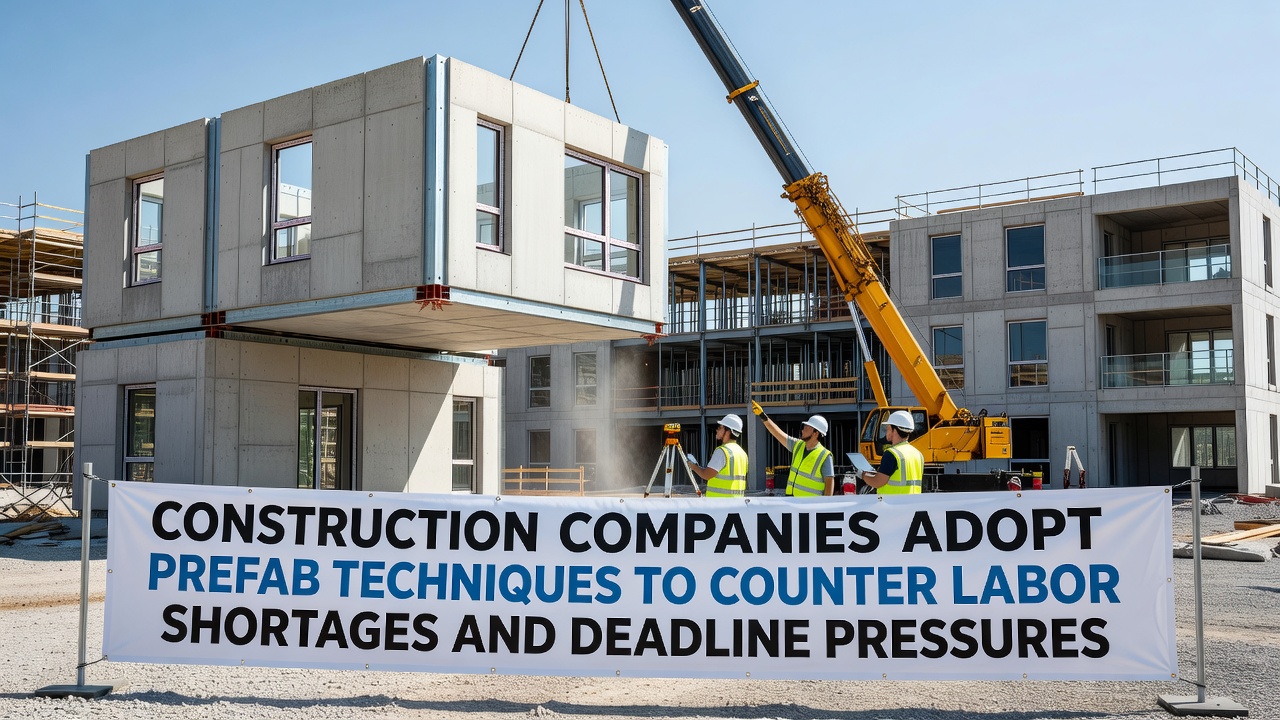
Construction companies across multiple regions have expanded their use of prefabrication methods since labor shortages intensified in recent years, and these approaches allow firms to fabricate building components in controlled factory settings before transporting them to project sites for rapid assembly. Data from the US Bureau of Labor Statistics shows construction employment gaps reached several hundred thousand positions by late 2025, while similar patterns emerged in Canada and parts of Europe according to national statistical agencies. Project timelines have grown tighter because material costs fluctuate and client expectations for faster completion remain high, so many operators now integrate off-site production to maintain progress even when on-site crews prove difficult to staff fully.
Why Prefab Addresses Core Industry Pressures
Traditional on-site construction requires large teams of skilled workers for extended periods, yet recruitment has lagged behind demand in numerous markets, and prefabrication shifts a substantial portion of the work to factories where automation and standardized processes reduce the need for specialized trades at every location. Observers note that modules for walls, floors, and mechanical systems can be completed in parallel with site preparation, which shortens overall schedules by weeks or months depending on project scale. Research from academic institutions in Australia indicates that prefab projects often achieve 20 to 30 percent reductions in labor hours on location compared with conventional methods, although exact savings vary with building type and complexity.
Factory environments also improve quality control because weather delays and inconsistent conditions affect fewer steps, and companies report fewer rework cycles once components arrive ready for installation. Those who have tracked these shifts point to examples in multi-family housing and commercial developments where firms completed structures ahead of original projections after adopting modular techniques. In October 2026, several large contractors in the Midwest United States announced expansions of their prefab facilities to handle increased demand for healthcare and educational facilities that face strict opening dates.
Regional Adoption Patterns and Supporting Data
North American builders have led recent growth in modular construction volumes, while European firms have followed with incentives tied to energy-efficiency targets and housing supply goals. A study from a Canadian university research center found that prefab adoption rates rose approximately 15 percent year over year through 2025 in provinces experiencing acute trades shortages. European data compiled by industry federations similarly shows increased factory output for residential modules in Germany and the Nordic countries, where regulatory frameworks encourage off-site methods to meet carbon-reduction timelines.
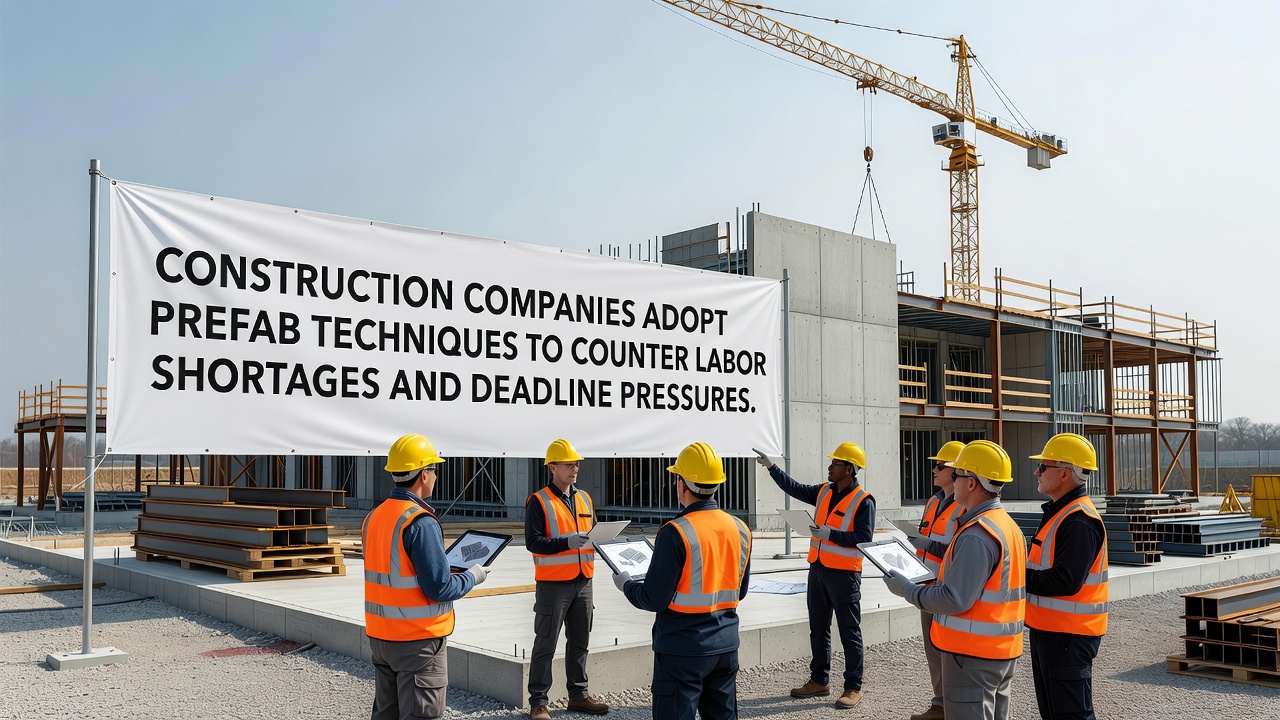
Supply-chain considerations play a role as well, since components produced under one roof allow better coordination of materials and fewer last-minute substitutions. One project in the Pacific Northwest combined prefabricated bathroom pods with site-built structural frames, which trimmed the overall schedule by nearly two months while using fewer carpenters and plumbers on location. Government reports from Australia highlight comparable outcomes in infrastructure upgrades, where modular bridge and station elements helped authorities meet deadlines despite limited availability of heavy-equipment operators.
Implementation Considerations for Contractors
Firms exploring these techniques typically begin with smaller elements such as stair towers or utility cores before scaling to full modules, and early adopters emphasize the importance of aligning design teams with factory capabilities from the outset. Coordination between architects, engineers, and manufacturers becomes essential because tolerances must match across fabrication and assembly phases. Training programs have emerged at technical colleges to prepare workers for roles that blend traditional skills with digital modeling tools used in prefab planning.
Transportation logistics represent another factor, since oversized loads require permits and route planning, yet many companies have developed repeatable systems that keep costs predictable. Industry organizations note that insurance and financing structures have adapted in some markets to recognize the risk-reduction benefits of controlled factory production. Figures from the European Construction Industry Federation reveal rising numbers of projects incorporating hybrid approaches that combine prefab elements with conventional techniques where full modularization proves impractical.
Conclusion
Construction operators continue to refine prefabrication strategies as workforce demographics and project requirements evolve, and the pattern suggests sustained integration of off-site methods into standard practice across diverse building sectors. Evidence from multiple countries indicates that these techniques help maintain momentum on schedules even when local labor pools remain constrained. Ongoing developments in design software and factory automation point toward further efficiency gains in the years ahead.